
Leading Waterproofing Products To Protect Your Property
Explore top-rated waterproofing solutions designed to safeguard your home or business from moisture and water damage effectively.
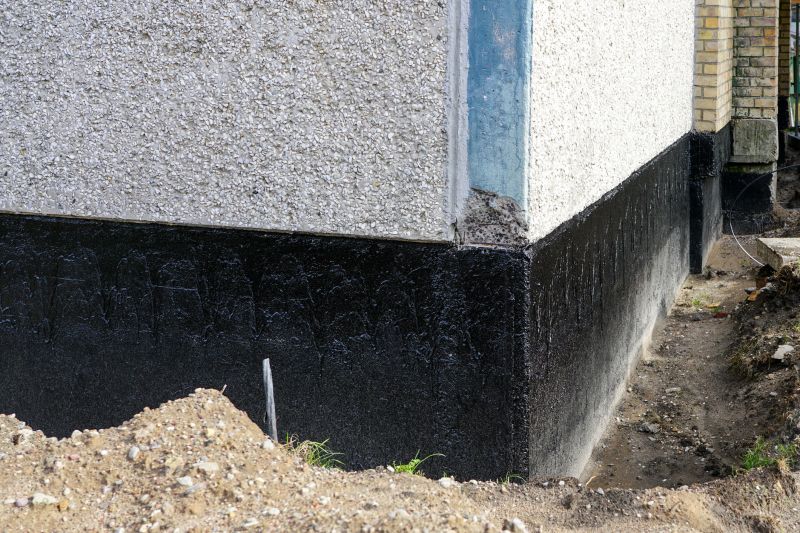 Waterproofing products play a crucial role in protecting structures from moisture intrusion, which can lead to damage, mold growth, and deterioration over time. Whether for basements, roofs, foundations, or other surfaces, selecting the appropriate waterproofing solution depends on various factors including the type of surface, exposure conditions, and the desired longevity of the protection. Proper application and maintenance are essential to ensure effective results, and understanding the different product options available can help homeowners and professionals make informed decisions.
Top Overall Option
Versatile Liquid Waterproofing Membrane
A high-quality liquid membrane offers a flexible, seamless coating that adapts to surface movements and provides a durable barrier against water intrusion. Its ease of application makes it suitable for various surfaces, including roofs, foundations, and basements, offering long-lasting protection when properly applied. This type of waterproofing is often favored for its versatility and smooth finish, making it a practical choice for many property types.
Types of Products For Waterproofings
Liquid Waterproofing Membranes
Flexible, seamless coatings that can be painted or rolled onto surfaces for waterproof protection.
Sheet Membranes
Pre-formed sheets made from rubber, bitumen, or plastic that are adhered to surfaces for durable waterproofing.
Bituminous Coatings
Heavy-duty coatings that provide a thick protective layer, ideal for foundations and below-grade applications.
Cementitious Waterproof Coatings
Water-based cement mixes that are easy to apply and suitable for concrete and masonry surfaces.
Crack Sealants
Specialized products designed to fill and seal cracks to prevent water penetration.
Waterproofing Paints
Paints formulated with waterproofing agents for surface sealing and protection.
Hydrostop Coatings
Elastic coatings that accommodate surface movement and provide waterproof barriers.
Polyurethane Coatings
High-performance coatings offering excellent adhesion and flexibility for various surfaces.
Polyurea Coatings
Rapid-curing, highly elastic coatings suitable for demanding waterproofing applications.
Rubberized Asphalt
Flexible asphalt-based membranes used for waterproofing foundations and roofing.
Liquid Rubber Coatings
Eco-friendly, seamless coatings that provide waterproof protection and UV resistance.
Waterproofing Tapes
Self-adhesive tapes used for quick repairs and sealing small cracks or joints.
Spray-On Waterproofing
Sprayable coatings that conform to complex surfaces for comprehensive waterproofing.
Concrete Sealers
Penetrating sealers that protect concrete surfaces from water absorption.
Waterproofing Additives
Chemical admixtures added to concrete or mortar to enhance water resistance.
Drainage Boards
Protective layers that facilitate water drainage away from structures.
Waterproofing Collars
Accessories used to seal around pipes and penetrations in waterproofed surfaces.
Popular Choices
Widely used for their ease of application and seamless coverage, suitable for various surfaces.
Popular for foundation and basement waterproofing due to their durability and physical barrier properties.
Commonly selected for their robustness in below-grade applications.
Favored for their compatibility with concrete structures and straightforward application.
Chosen for their excellent adhesion and flexibility on various surfaces.
Popular for their elasticity and ability to accommodate surface movement.
Frequently used for surface sealing on walls and ceilings.
Valued for covering complex surfaces and large areas efficiently.
Commonly applied to protect concrete from water absorption and surface damage.
Useful for quick repairs and sealing around joints and penetrations.
Popular for managing water flow and protecting foundation walls.
Effective for sealing around pipes and other penetrations in waterproofed surfaces.
In residential settings, waterproofing often involves a combination of sealants, coatings, and membranes designed to create a barrier against water ingress. These products can be applied to interior or exterior surfaces, providing a versatile range of options for different needs. For instance, liquid waterproofing membranes can be painted onto surfaces to form a seamless, flexible barrier, while sheet membranes offer robust physical protection for foundations and below-grade structures.
Beyond traditional solutions, there are also specialized products designed for specific challenges such as crack repair, surface sealing, or long-term damp proofing. Proper surface preparation and adherence to manufacturer instructions are vital for maximizing the effectiveness of any waterproofing system. Regular inspections and maintenance can help identify potential vulnerabilities early, ensuring the integrity of the waterproofing over time. By choosing the right products and applying them correctly, property owners in Glen Ellyn, IL, can better safeguard their investments from water-related issues.
Key Buying Considerations
- Determine the specific surface or structure to be waterproofed, such as roof, foundation, or basement.
- Assess the exposure conditions, including standing water, humidity, and weather patterns.
- Choose a product compatible with the surface material, whether concrete, masonry, or wood.
- Consider the flexibility and elasticity of the waterproofing material to accommodate surface movements.
- Evaluate the ease of application and whether DIY or professional installation is preferred.
- Check the product’s drying or curing time to plan project timelines accordingly.
- Review the longevity and durability expectations for the product in your environment.
- Ensure the product is suitable for the area’s temperature range and climate conditions.
- Look into the maintenance requirements and whether reapplication is necessary over time.
- Verify that the product meets relevant safety and quality standards.
- Consider the cost-effectiveness, balancing initial investment with expected lifespan.
- Identify if additional accessories or components are needed for complete waterproofing.
- Review user feedback and expert recommendations to gauge product performance.
- Determine if the product is suitable for interior, exterior, or both types of applications.
- Assess the environmental conditions such as UV exposure, chemical contact, or foot traffic.